

Understanding 3-Way Selector Valves Applications in Industrial Valve Applications
- Anderson Brass
- Jul 7
- 4 min read
When you work with fluid control systems, understanding the role of valves is essential. Among these, 3-way selector valves stand out for their versatility and efficiency. These valves allow you to direct flow between different paths, making them indispensable in many industrial valve applications. This article will guide you through the key aspects of 3-way selector valves, their applications, and how they can optimize your operations.
What Are 3-Way Selector Valves?
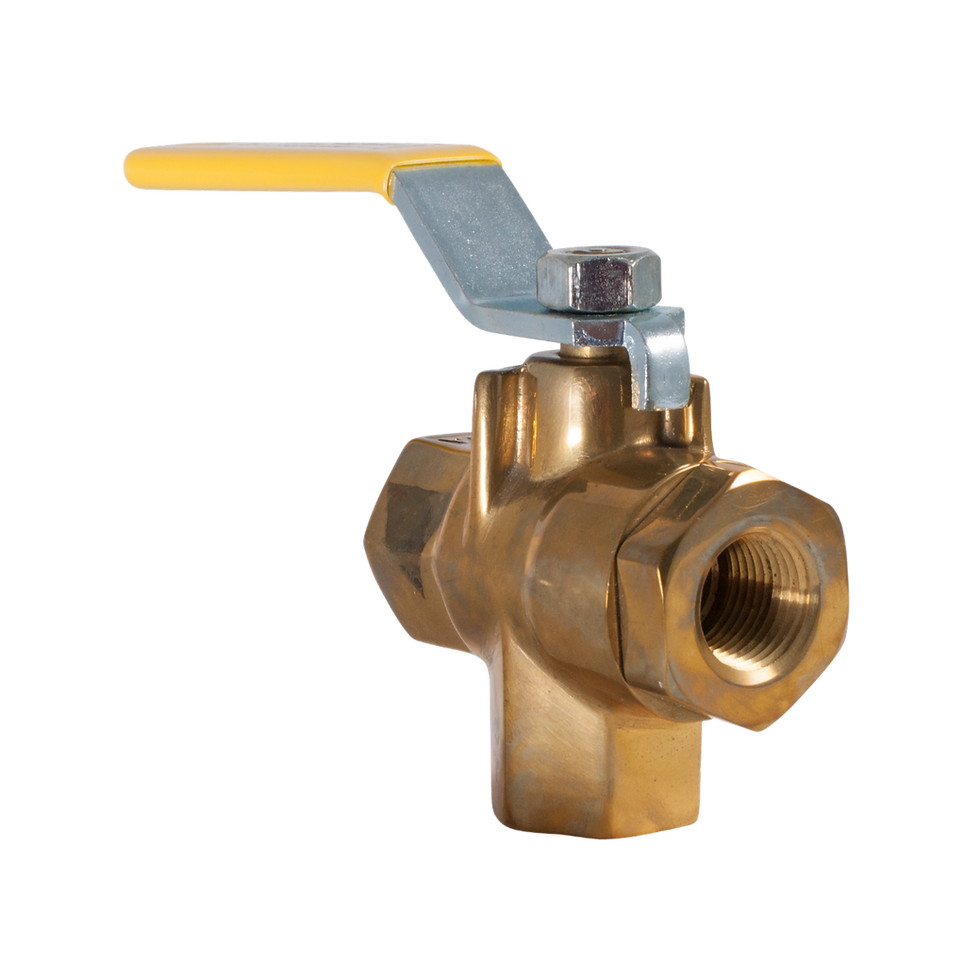
A 3-way selector valve is a type of valve designed to control the flow of liquids or gases by directing it from one inlet to one of two outlets or vice versa. Unlike standard two-way valves, these valves have three ports, which gives you more control over the flow path.
You can think of a 3-way selector valve as a traffic controller for fluids. It can:
Switch flow between two different outputs
Mix two inputs into one output
Divert flow from one source to two different destinations
This flexibility makes 3-way selector valves ideal for complex systems where you need to alternate or combine flows without shutting down the entire system.
Key Components and Operation
The valve typically consists of a body with three ports, a rotating or sliding selector mechanism, and an actuator that controls the selector. The actuator can be manual, pneumatic, electric, or hydraulic, depending on your system requirements.
The selector mechanism moves to connect the inlet port to one of the two outlet ports, or vice versa, depending on the valve design. This movement is precise and repeatable, ensuring reliable operation in demanding environments.

Industrial Valve Applications of 3-Way Selector Valves
In industrial settings, 3-way selector valves serve multiple purposes. Their ability to control flow paths efficiently makes them valuable in various sectors, including manufacturing, chemical processing, HVAC, and water treatment.
Flow Diversion and Switching
You can use these valves to divert flow from one source to two different destinations. For example, in a cooling system, a 3-way selector valve can switch coolant flow between two heat exchangers. This allows you to maintain continuous operation by alternating between units for maintenance or load balancing.
Mixing Applications
In chemical processing, mixing two fluid streams is often necessary. A 3-way selector valve can combine two inputs into a single output, ensuring precise control over the mixture ratio. This is critical for maintaining product quality and process consistency.
Bypass and Isolation Functions
You can also use 3-way selector valves to create bypass lines. When maintenance is required on a section of piping or equipment, the valve can redirect flow around the affected area without shutting down the entire system. This capability reduces downtime and improves operational efficiency.

Selecting the Right 3-Way Selector Valve for Your Needs
Choosing the correct valve requires careful consideration of several factors. Your selection impacts system performance, reliability, and maintenance costs.
Material Compatibility
Since you deal with various fluids, ensure the valve materials are compatible with your media. Brass valves are popular for their corrosion resistance and durability, especially in water, air, and non-aggressive fluids. For harsher chemicals, stainless steel or specialized alloys may be necessary.
Pressure and Temperature Ratings
Verify that the valve can handle your system’s maximum pressure and temperature. Exceeding these limits can cause valve failure or leaks, leading to costly downtime.
Port Size and Flow Capacity
Match the valve port size to your piping system to avoid flow restrictions. Also, consider the valve’s flow coefficient (Cv) to ensure it meets your flow rate requirements without excessive pressure drop.
Actuation Method
Decide whether manual, electric, pneumatic, or hydraulic actuation suits your application. Automated actuators offer precision and remote control, while manual valves are simpler and cost-effective for less critical uses.
Maintenance and Serviceability
Look for valves designed for easy maintenance. Features like replaceable seals and accessible components reduce downtime and service costs.
When you need reliable, custom solutions, consider partnering with manufacturers specializing in high-quality brass valves. For example, 3 way selector valves hartsville offer tailored options that meet stringent industrial standards.
Practical Tips for Installing and Maintaining 3-Way Selector Valves
Proper installation and maintenance are crucial to maximize valve performance and lifespan.
Installation Best Practices
Follow manufacturer guidelines for orientation and mounting.
Ensure clean piping to prevent debris from damaging valve seats.
Use appropriate sealing materials to avoid leaks.
Test the valve operation before integrating it into the system.
Routine Maintenance
Inspect seals and seats regularly for wear or damage.
Lubricate moving parts as recommended.
Check actuator function to ensure smooth operation.
Replace worn components promptly to prevent failures.
Troubleshooting Common Issues
Leakage: Often caused by worn seals or improper installation.
Sticking selector: May result from debris or lack of lubrication.
Actuator failure: Check power supply and control signals.
By following these guidelines, you can ensure your 3-way selector valves operate reliably and efficiently.
Enhancing System Efficiency with 3-Way Selector Valves
Integrating 3-way selector valves into your fluid control systems can significantly improve operational flexibility and efficiency.
Reduce downtime by enabling flow diversion during maintenance.
Optimize process control through precise flow switching and mixing.
Lower energy consumption by directing flow only where needed.
Simplify system design by replacing multiple valves with a single 3-way valve.
These benefits translate into cost savings and improved productivity, aligning with your goals for high-quality, innovative valve solutions.
By understanding the applications and advantages of 3-way selector valves, you can make informed decisions that enhance your industrial valve applications. Whether you need flow diversion, mixing, or automated control, these valves offer the versatility and reliability your systems demand. Explore custom options and expert support to ensure your fluid control solutions meet the highest standards.


Comments