

Innovative Solutions with Multi-Port Stack Valves for Enhanced Flow Control Systems
- Anderson Brass
- Jun 17
- 3 min read
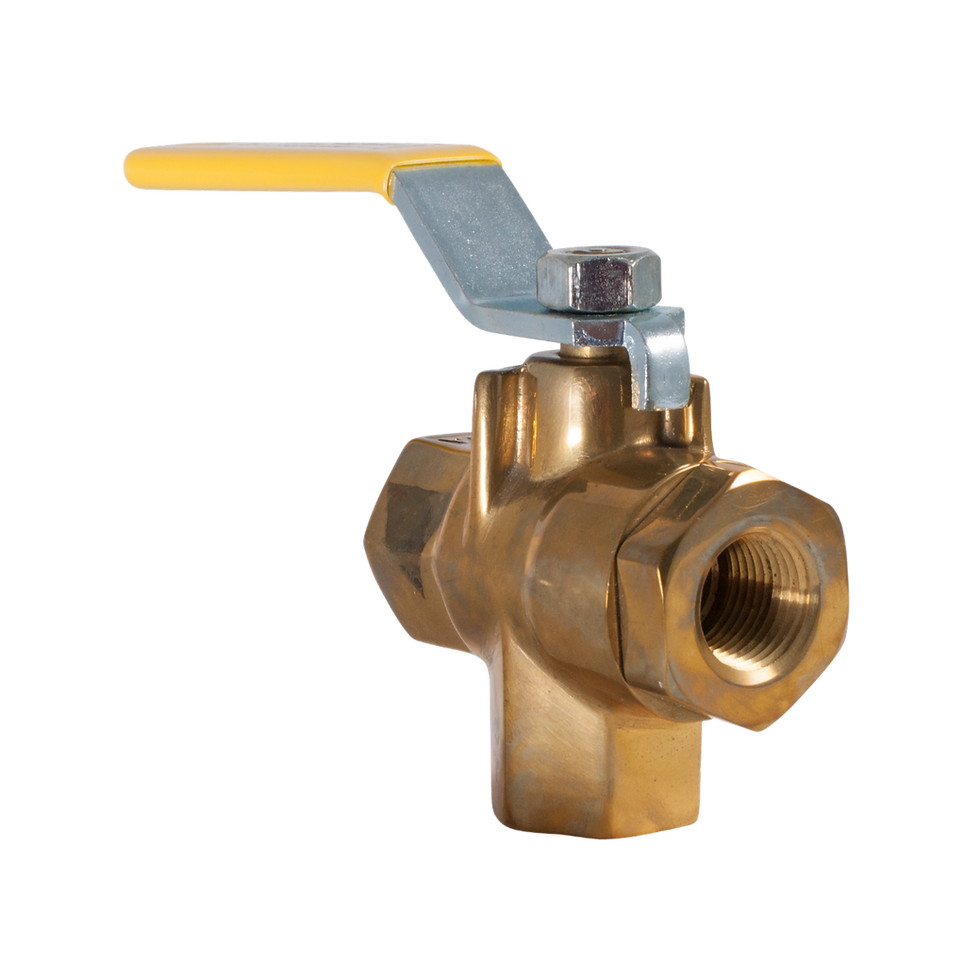
Multi-port stack valves offer a practical way to manage multiple flow paths with a single compact assembly. These valves combine two multi-port ball valves operated by a single handle, allowing precise control over complex fluid routing tasks. Manufacturers who require control of multiple flows will find these valves useful for manifold switching, pressure selection, venting, and sampling applications. This post explores how multi-port stack valves improve flow control systems and highlights their common uses and customization options.


How Multi-Port Stack Valves Improve Flow Control
Multi-port stack valves simplify fluid flow control by combining two ball valves into a single unit. This design reduces the space required for piping and valve installation, which is critical in systems with limited space. The common stem/handle enables simultaneous operation of both valves, ensuring synchronized switching between flow paths without requiring multiple actuators. This valve is especially helpful when two separate flows must happen simultaneously for optimum performance.
This setup enhances system reliability by reducing potential leak points and mechanical complexity, which reduces the chance of operator error. It also lowers maintenance requirements since fewer components are involved. The valves can handle a variety of media, including gases, liquids, and corrosive fluids, making them versatile for many industrial environments.
Key Applications of Multi-Port Stack Valves
Manufacturers often face challenges when controlling multiple independent flow functions within a single system. Multi-port stack valves address these challenges in several ways:
Actuator Switching Controls
These valves enable switching between different actuator circuits without interrupting the overall system. For example, in low-pressure hydraulics or pneumatic systems, they can direct pressure to different actuators as needed.
Fuel Supply and Return Systems
In fuel management, multi-port stack valves allow smooth switching between supply lines or return paths. This is useful in engines or generators that require precise fuel routing for efficiency and safety.
Common Control of Independent Functions
When multiple independent functions need to be controlled from a single point, these valves provide a compact solution. This reduces the number of manual or automated controls required, simplifying operation.
Custom Ball Porting for Tailored Flow Solutions
One advantage of multi-port stack valves is the ability to customize ball porting. This means the internal flow paths can be designed to meet specific system requirements. Custom porting allows manufacturers to:
Match flow rates and pressure drops to system needs
Create unique flow patterns for sampling or venting
Combine or isolate multiple media streams efficiently
For example, a manufacturer may require a valve that switches among three pressure sources while safely venting excess pressure. Custom porting can create a flow path that achieves this without adding extra valves or piping.
Benefits of Using Multi-Port Stack Valves in Flow Control Systems
Using multi-port stack valves for enhanced flow control
Space Savings
Combining two valves into one reduces the control system's footprint, freeing up valuable space in manufacturing plants or test setups.
Simplified Operation
The common stem allows operators to switch multiple flow paths with a single action, reducing the chance of errors and speeding up process changes.
Reduced Leak Points
Fewer connections and components mean fewer opportunities for leaks, improving system safety and reliability.
Versatility
These valves work well with various fluids and gases, making them suitable for diverse industries such as chemical processing, oil and gas, and instrumentation.
Cost Efficiency
By reducing the number of valves and actuators needed, manufacturers can lower both initial costs and ongoing maintenance expenses.
Practical Example: Instrumentation Test Equipment
In instrumentation test setups, precise control of pressure and flow is essential. Multi-port stack valves allow technicians to quickly switch between test points or pressure sources. Custom porting can route media to sampling points or vent lines without disconnecting equipment. This flexibility speeds up testing cycles and reduces downtime.
Choosing the Right Multi-Port Stack Valve
When selecting a multi-port stack valve, consider these factors:
Material Compatibility
Ensure valve materials suit the media handled, especially if corrosive fluids are involved.
Pressure and Temperature Ratings
Match the valve’s specifications to the system’s operating conditions to avoid premature failure.
Port Configuration
Work with manufacturers to design ball porting that precisely fits your flow control needs.
Actuation Method
Decide whether manual, pneumatic, or electric actuation best fits your control system.
Multi-port stack valves provide a compact, reliable, and flexible solution for managing multiple flow paths in complex systems. Their ability to combine two ball valves on a single handle reduces space, simplifies operation, reduces operator error, and lowers maintenance needs. Custom porting options allow manufacturers to tailor flow control to exact requirements, improving efficiency and safety.
For manufacturers requiring control of multiple flows, investing in multi-port stack valves can streamline system design and operation. Explore options with trusted valve suppliers to find configurations that meet your specific needs and enhance your flow control systems.


Comments